


Hoy es el cumpleaños de Edgar Degas. Nació en París en 1834, y si conoces su nombre, probablemente conozcas sus pinturas de bailarinas de ballet: todo ese tul, toda esa luz suave, todas esas chicas estirándose o bostezando entre bastidores.
Aquí está el error que la gente comete con respecto a esas pinturas. Parecen hechas sin esfuerzo. Pero no lo son en absoluto.
Degas lo dijo él mismo, sin rodeos, más de una vez: “Ningún arte fue jamás menos espontáneo que el mío”. No era modestia. Lo decía a modo de corrección. La gente suponía que había captado un momento de suerte con su ojo y su pincel, como quien captura una buena foto por casualidad. No fue así. Había estudiado a los grandes maestros durante años. Dibujó a la misma bailarina en la misma pose una y otra vez, desde diferentes ángulos, hasta comprender con exactitud cómo se mueve un hombro bajo tensión, o cómo luce un pie cuando está cansado en lugar de estar en una pose. Entonces, y solo entonces, pintó algo que parecía haberle llevado cinco minutos.
Vale la pena reflexionar sobre eso un momento.
Vivimos en un mundo que adora la expresión "talento natural". Queremos creer que algunas personas nacieron sabiendo cómo hacer las cosas: pintar, escribir libros, dirigir negocios, criar bien a los hijos. Es una historia reconfortante, porque nos libra del trabajo a los demás. Si ellos nacieron con ese don, nosotros no tenemos que hacer la parte aburrida.
Pero Degas nos está diciendo algo diferente. Nos está diciendo que la parte aburrida es la esencia misma del arte.
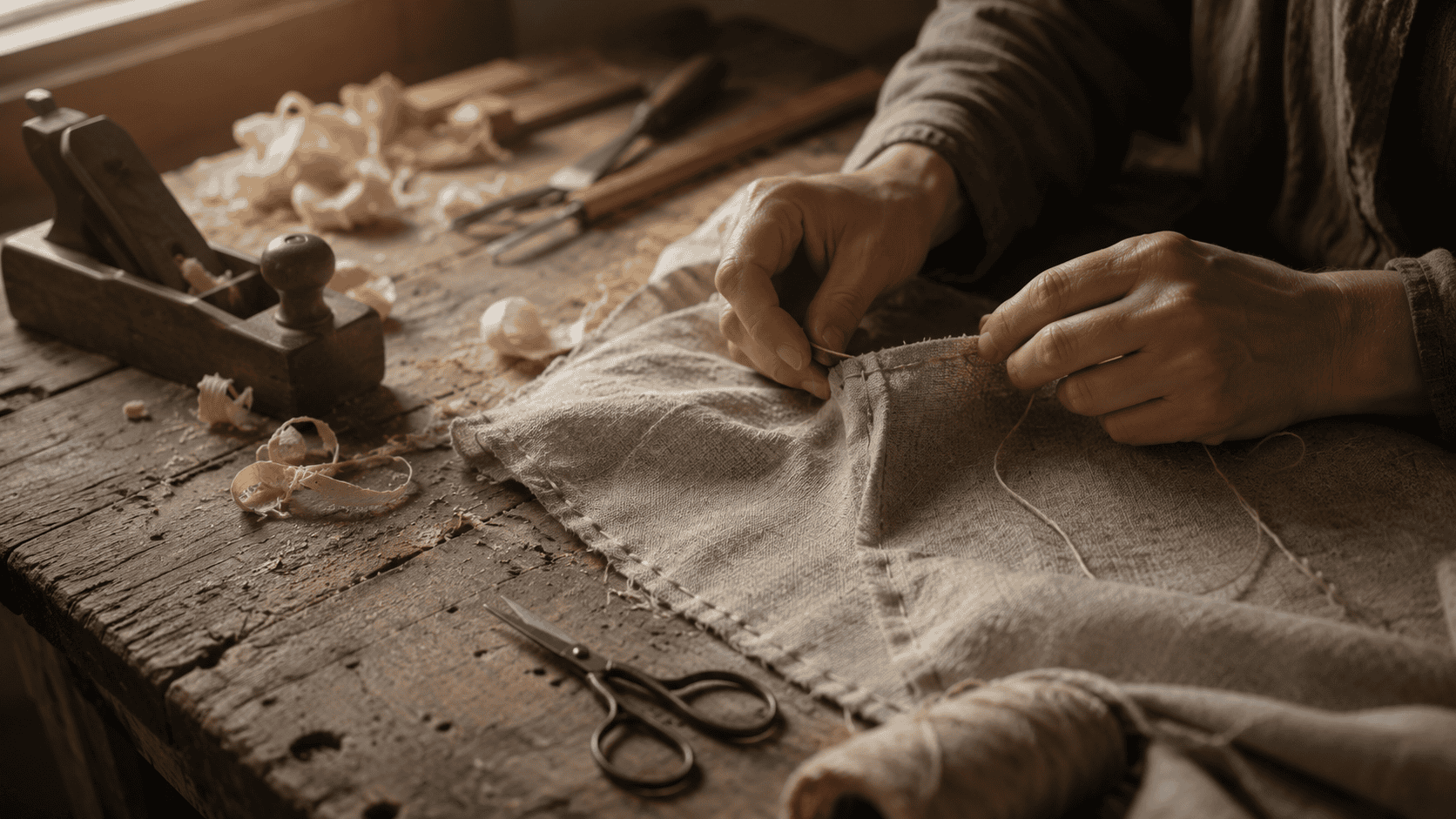
Piensa en cualquier cosa que hayas hecho con tus manos: una colcha, una hogaza de pan, un mueble, un jardín que por fin luce como lo imaginaste. Nadie ve la versión que no funcionó. Nadie ve el cuarto borrador, la costura que descosiste dos veces, la unión que volviste a cortar porque no quedó perfecta. Solo ven el resultado final, ahí, como si hubiera surgido así de forma natural. Pero no fue así. Nunca lo es.
Degas ni siquiera pintaba a los bailarines actuando, en su mayoría. Los pintaba ensayando: estirándose en la barra, frotándose un tobillo dolorido, esperando su turno. La parte intermedia, poco glamurosa. Parecía comprender que el verdadero tema no era la actuación en sí, sino la práctica que la hacía posible.
Creo que por eso sus pinturas siguen vigentes ciento cincuenta años después, cuando gran parte del arte "espontáneo" de la misma época se ha desvanecido en el olvido de la historia del arte. No buscaba dejarse llevar por una emoción. Realizaba su trabajo con dedicación, día tras día, hasta que este adquirió una apariencia de gracia.
Así que aquí va una pregunta sencilla para este domingo: ¿qué estás haciendo ahora mismo que te parece lento, repetitivo o poco inspirador? La pila de ropa sucia. El correo electrónico que has reescrito tres veces. La hora en el taller que aún no ha producido nada que quieras mostrarle a nadie.
Puede que esa no sea la parte aburrida que impide disfrutar de la parte buena. Puede que sea precisamente la parte buena, antes de que termine de captar la luz.
Feliz cumpleaños, Degas.
Deja un comentario