


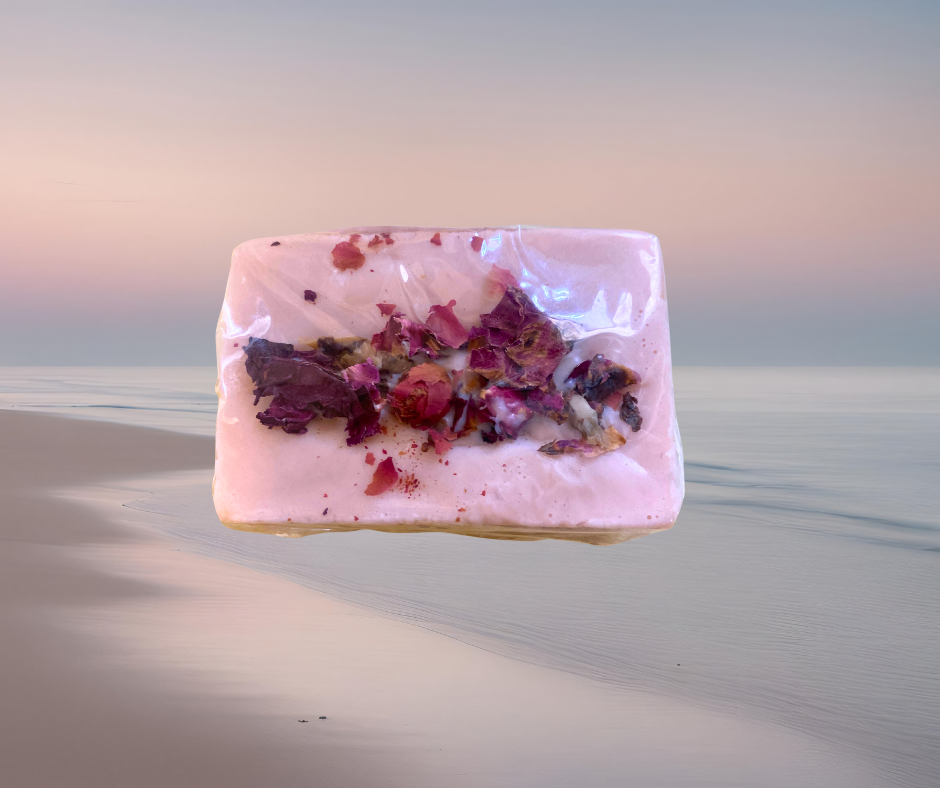
Detengámonos un momento para reflexionar sobre las diferencias entre los jabones artesanales y los producidos en masa. Bajo su espuma se esconde una historia: una historia de intención, intimidad e impacto. Ya sean elaborados a mano o a máquina, cada pastilla nos invita a considerar no solo con qué nos limpiamos, sino también por qué.
Jabones artesanales: Hechos con significado
Los jabones artesanales suelen tener un precio más elevado., Pero ese precio refleja la calidad de los ingredientes, el cuidado en cada lote y la creatividad artesanal. Estas barritas pueden variar en forma, textura e incluso peso. Me ha resultado difícil conseguir el mismo peso exacto en cada porción, por mucho que mida con precisión. Se acercan bastante, pero casi nunca tienen el mismo peso. Pero quizás ahí reside parte de su encanto: cada una es única, como la huella digital del corazón de quien la elabora.

La longevidad depende del método.:
- Jabones elaborados mediante proceso en frío se elaboran desde cero utilizando lejía y aceites, y luego se curan durante 4 a 6 semanas. Este curado lento crea una pastilla dura y duradera con abundante espuma y glicerina natural[^1].
- Jabones elaborados mediante proceso en caliente Se cocinan durante el proceso de producción, lo que acelera el curado y crea una barra ligeramente más rústica y duradera.
- Jabones de fundición y vertido, si bien son fáciles de personalizar, pueden ser más suaves y disolverse más rápidamente a menos que estén formulados con aceites duros como el de coco o el de palma[^2].
La fecha de caducidad es otro factor a considerar. Sin conservantes sintéticos, las barritas artesanales pueden tener una vida útil más corta, especialmente aquellas con ingredientes botánicos frescos o leche. Un almacenamiento adecuado (en un lugar fresco, seco y bien ventilado) ayuda a prolongar su duración.
Jabones de producción masiva: Eficiencia con desventajas
Los jabones producidos en masa tienen una forma uniforme, están ampliamente disponibles y son económicos. Pero sus ingredientes a menudo incluyen: detergentes sintéticos como Lauril sulfato de sodio (SLS) y Lauril éter sulfato de sodio (SLES)—agentes espumantes que pueden eliminar los aceites naturales e irritar la piel sensible[^2]. Las fragancias artificiales pueden contener ftalatos, vinculado a la alteración hormonal y a las reacciones alérgicas[^3].
Estas barritas son estables y duraderas, pero a menudo carecen de la glicerina nutritiva que se elimina durante el procesamiento.
Cómo elegir una pastilla de jabón: ¿Qué es lo más importante?
Al elegir una pastilla de jabón, tenga en cuenta lo siguiente:
- Sensibilidad de la pielSi tienes tendencia a la irritación, busca pastillas de jabón sin perfume o con aroma natural.
- Objetivo¿Es para la limpieza diaria, la exfoliación o un ritual suave?
- IngredientesBusque la transparencia: los aceites vegetales, las arcillas y los aceites esenciales ofrecen tanto función como significado.
- Impacto ambientalLos jabones artesanales suelen utilizar envases biodegradables y materiales de origen ético.
Elaboración de cada barra
Para sacarle el máximo partido a tu jabón:
- Utilice un jabonera con escurridor para evitar que se empape.
- Corta las barras más grandes por la mitad. para rotar el uso y reducir los residuos.
- Deja que las barras se curen durante más tiempo. antes del primer uso, especialmente en el caso de los jabones elaborados mediante el proceso en frío.
- Guarde los artículos adicionales en un lugar fresco y seco., lejos de la humedad.
Una reflexión final: Elegir con cuidado
Hemos explorado las diferencias entre los jabones artesanales y los producidos en masa: cómo el costo, la forma, la vida útil y los ingredientes influyen no solo en la pastilla, sino también en la experiencia. Hemos analizado cómo los detergentes y fragancias sintéticas pueden irritar la piel y cómo los distintos métodos de elaboración afectan su durabilidad. Incluso hemos abordado cómo lograr que cada pastilla dure más, priorizando tanto la practicidad como la estética.
Pero ¿y si la historia no termina con el jabón? ¿Y si la forma en que preparamos nuestra piel para recibir cuidados es igual de importante?
En la próxima semana, aproximadamente, compartiré una breve reflexión sobre cepillado corporal Una práctica suave que exfolia, revitaliza y nutre la piel antes de la limpieza. ¿Podría el cepillado ser el elemento clave que falta en tu rutina diaria de cuidado? ¿Y qué podría revelar sobre cómo nos cuidamos, tanto física como espiritualmente?
Notas a pie de página actualizadas
[^1]: Los jabones elaborados mediante el proceso en frío conservan la glicerina natural y se curan lentamente, lo que da como resultado una pastilla más dura y duradera.
[^2]: Las bases fundidas y vertidas varían en dureza según la formulación y los aditivos.

Deja un comentario