


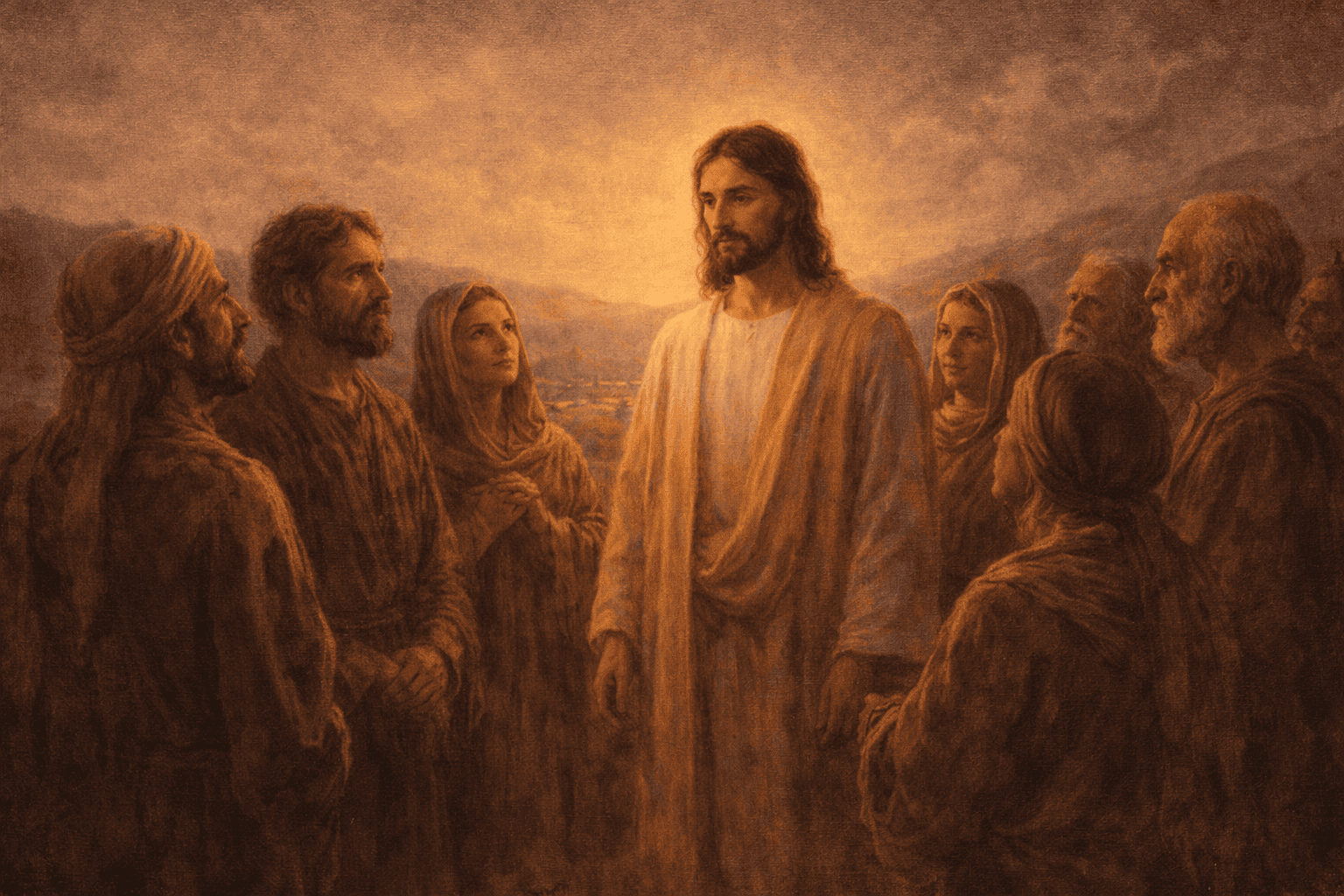
Padre de la Iglesia primitiva: San Atanasio de Alejandría (c. 296–373 d. C.)
Tema: La verdadera divinidad revelada
En cierto modo, habría sido más fácil si Jesús hubiera sido simplemente un gran maestro.
Un hombre sabio.
Una guía moral.
Alguien que nos enseñó a vivir mejor.
Pero Atanasio no aceptaba esa versión de Cristo, porque creía en algo mucho más exigente y, al mismo tiempo, mucho más esperanzador.
Cristo no es solo alguien que señala el camino hacia Dios.
Él es Dios que ha venido a nuestro encuentro.
Para Atanasio, la Epifanía no se trata simplemente de reconocer a un niño santo. Se trata de comprender que Aquel que se revela en forma humana es la fuente misma de la vida.
Eso cambia el significado de la salvación.
Atanasio vivió en una época en la que muchos admiraban a Jesús, pero dudaban en adorarlo. Hablaban de Cristo como excelso, pero no plenamente divino. Importante, pero no eterno.
Atanasio comprendió el peligro que entrañaba ese tipo de pensamiento.
Porque si Cristo no es verdaderamente Dios, entonces no puede restaurarnos verdaderamente.
Un buen profesor puede inspirar.
Un profeta puede desafiar.
Pero solo Dios puede sanar lo que está roto en lo más profundo.
Solo Dios puede reunir a la humanidad con la vida divina.
Por eso Atanasio habla con tanta audacia sobre la Encarnación. Dios no envía ayuda desde la distancia. Él mismo entra en la vida humana. Asume nuestra naturaleza, no como un disfraz, sino como una verdadera participación en lo que somos.
No estoy fingiendo.
No pedir prestado.
Devenir.
Y al hacerlo, comienza la obra de restaurar la humanidad desde adentro hacia afuera.
La epifanía, entonces, no se trata solo de que se vea la luz. Se trata de reconocer quién es realmente esa luz.
No es solo un mensajero.
No solo hace milagros.
Pero el Dios viviente está presente entre su pueblo.
Atanasio creía que Dios se hizo hombre para que la humanidad pudiera sanar y elevarse a la vida divina. No borrada. No reemplazada. Sino transformada.
Esa es una afirmación asombrosa.
Significa que nuestra humanidad no es un problema del que podamos escapar.
Es algo que Dios mismo eligió habitar.
Y si Dios está dispuesto a asumir la vida humana, entonces la vida humana debe merecer la pena ser redimida.
Hay algo sutilmente radical en esa idea.
Nos dice que nuestros días ordinarios importan.
Que nuestros cuerpos importan.
Que nuestras luchas no están por debajo de la atención de Dios.
Cristo no nos salva estando por encima de nosotros.
Él nos salva estando a nuestro lado.
Y la Epifanía se convierte en el momento en que esta verdad comienza a brillar abiertamente.
Atanasio jamás consideró la Encarnación como una visita pasajera. La veía como una unión permanente. Dios no entra en el mundo para luego marcharse sin ser tocado.
Él se une a la humanidad para siempre.
Esto significa que, cuando miramos a Cristo, no solo vemos quién es Dios, sino también hacia dónde se dirige la humanidad.
Vida que no se descompone.
Un amor que no se retira.
Comunión que no se rompe.
Así pues, la Epifanía, en la visión de Atanasio, no se trata solo de reconocimiento.
Se trata del destino.
El niño revelado a las naciones es también Aquel que elevará a la humanidad a una nueva vida.
No como extraños.
Pero como amado.
Y eso significa que ver a Cristo nunca se trata solo del pasado.
Se trata de en quién nos estamos convirtiendo.
Pasaje bíblico para la reflexión
- Juan 1:1–14
- Colosenses 1:15–20
- Hebreos 1:1–4
Fuentes y referencias
Padre de la Iglesia Primitiva
- San Atanasio de Alejandría, Sobre la Encarnación
San Antanasio
Lecturas
- Epifanía: La luz se revela
- Luz prometida
- La Palabra hecha visible
- Una luz destinada a todas las naciones.
- Reunidos en uno solo
- Cuando la Creación Da Testimonio
- Más que un profesor
- Próximamente: Cuando Dios sea dado a conocer
Deja un comentario