


In an earlier post “Effective Strategies for Sustainable Weight Loss“, I discussed the basics of weight loss. I explained that to lose weight, we have to have a calorie deficit. Further, I discussed eating a diet that consists of lean protein, whole grains, fruits, and vegetables. We looked at what is a whole grain, fruits and vegetables and which impacts the diet the most.
Through the series, we will look at different components which affect our diet and how to get the most out of each so we can lose weight effectively and live a healthier life. In this post, we will discuss fiber. There are two types of fiber – soluble and insoluble both have their health benefits.
Soluble fiber consists of pectin (found in fruits and vegetables), beta-glucan (found in oats and barley), and gums, which are found in legumes and various grains like oats, barley, rye, quinoa, and brown rice. Insoluble fiber comes from the cell wall of all plants. Additionally, hemicellulose (found in whole grains) and lignin are found in seeds and the skins of fruits and vegetables. These are all important in our daily diet.
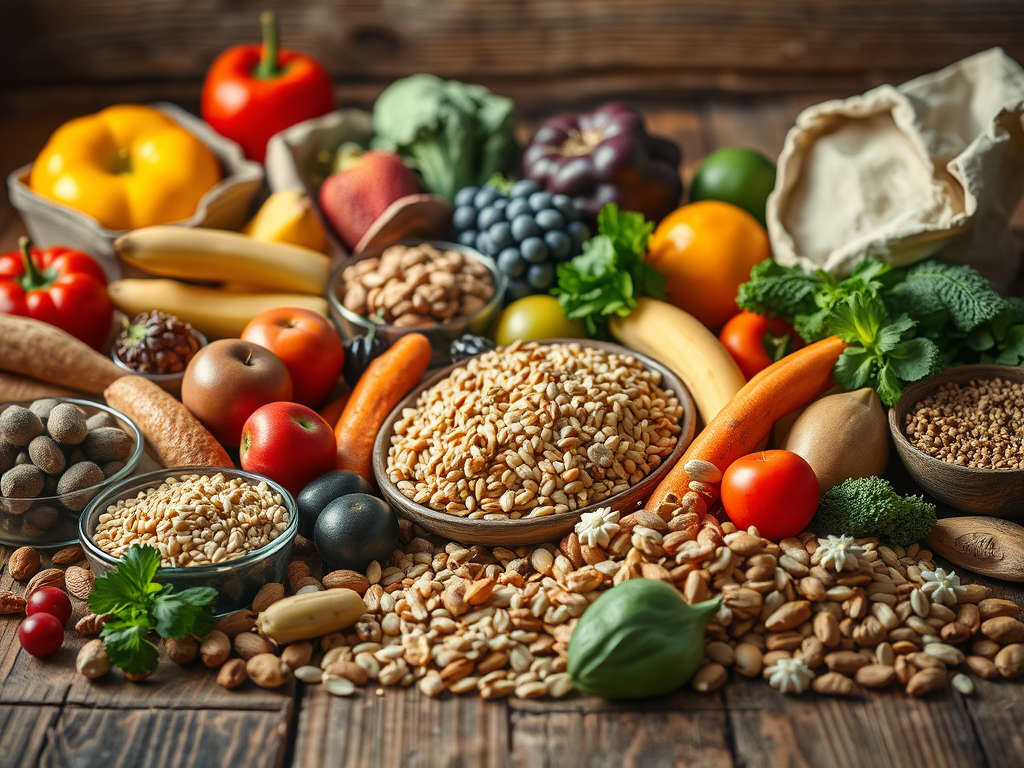
For women, it is recommended to have about 25 grams per day while men will need about 38 grams per day. If you are looking to lose weight then aim at the higher end of these recommendations and maybe a bit more. When looking to add fiber to your diet, it is advised to add it slowly and to focus on high-fiber foods such as fruits, vegetables, whole grains, legumes, nuts, and seeds. This will not only aid losing weight but will promote an overall healthy weight.
Soluble fiber benefits us because it slows the digestive system, which helps with nutrient absorption and helps to stabilize blood sugar; it improves heart health by lowering cholesterol by binding with other cholesterol, thus reducing the risk of heart disease. In addition, it helps to promote weight management by creating the feeling of fullness.
Some of the benefits of having insoluble fiber in your diet are:
- Better digestive health because it adds bulk to the stool, aiding in food passage more quickly through the digestive system, which decreases constipation.
- Helps to improve gut microbiome health, which will decrease the risk of developing diverticular disease.
- Improves weight management by creating a feeling of fullness, and helping to control one’s appetite.
Some easy ways to increase fiber in the diet are:
- Switch to whole grains such as brown rice, whole grain pasta, and whole grain bread.
- Instead of the sugary sweet fast foods for breakfast, eat whole grain cereals or oatmeal.
- Snack on raw fruits and vegetables such as apples, pears, berries, carrots, cucumbers, and bell peppers.
- Find ways to incorporate legumes such as beans, lentils, chickpeas, black/kidney beans.
- Add nuts or seeds on salads, yogurt, or oatmeal or as a snack
- Use whole wheat flour in baking as well as maybe chia or flax seeds.
- Make sure on food labels it has at least 3 grams of fiber per serving.
- With each meal include at least one high-fiber food.
Before beginning any weight loss regiment, please discuss with your doctor. All information on this website can be found in the ones below.
American Heart Association (AHA)
- Heart.org
- Offers guidance on fiber types, health benefits, and dietary sources.
Academy of Nutrition and Dietetics
- EatRight.org
- Provides articles on the importance of fiber, daily recommendations, and tips for increasing intake.
Harvard T.H. Chan School of Public Health
- The Nutrition Source
- Details different types of fiber, their health benefits, and sources of dietary fiber.
Mayo Clinic
- MayoClinic.org
- Features information on fiber’s role in health, dietary recommendations, and tips for increasing fiber intake.
National Institutes of Health (NIH)
- NIH.gov
- Offers resources on fiber’s health benefits and dietary sources.
Cleveland Clinic
- ClevelandClinic.org
- Discusses fiber types, benefits, and how to incorporate more fiber into your diet.

Deja un comentario