


On November 19, 1863, thousands of people gathered on a hillside in Gettysburg, Pennsylvania.
Just four and a half months earlier, that ground had been a battlefield. Thousands of soldiers had died there. Now part of it was becoming a cemetery, and the crowd had come to dedicate it.
The main speaker was Edward Everett. He was one of the most famous speakers in America. He had been a senator, a governor, and the president of Harvard. He spoke for about two hours.
Then President Abraham Lincoln stood up.
He spoke for about two minutes. Around 270 words.
Lincoln was modest about it. In the speech itself, he said, “The world will little note, nor long remember what we say here, but it can never forget what they did here.”
He was right about the second part. The world has never forgotten what those soldiers did. But he was wrong about the first. Schoolchildren have been learning his words by heart for more than 160 years.
Here is my favorite part of the story, though. It happened the next day.
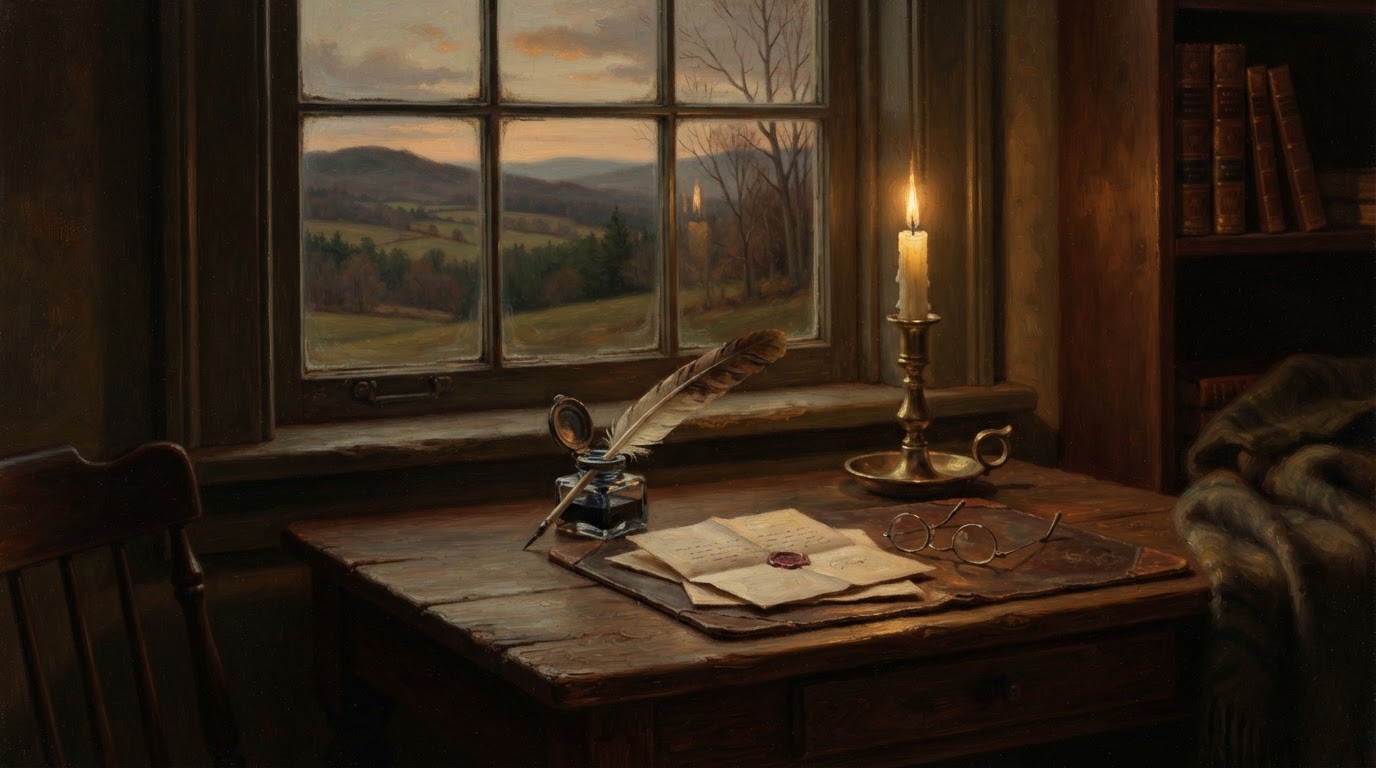
Edward Everett, the famous speaker with the two-hour speech, sat down and wrote Lincoln a letter. He did not have to. He could have been proud, or hurt, or simply quiet. Instead, he wrote this:
“I should be glad, if I could flatter myself that I came as near to the central idea of the occasion, in two hours, as you did in two minutes.”
What a gracious thing to say.
Lincoln wrote back that same day, just as kindly. “In our respective parts yesterday, you could not have been excused to make a short address, nor I a long one.”
In other words: we each did the job we were asked to do.
Two men. Two very different speeches. And instead of competing, they honored each other.
I love that.
It is so easy to measure ourselves against other people. Who said more. Who got noticed. Who did it better.
Everett chose a different way. He saw something good in someone else’s work, and he said so, out loud, in writing. It cost him nothing. And it gave a tired president a gift in the middle of a terrible war.
Lincoln did the same in return. He didn’t brag. He made room for both of them.
So here is a small thing to try today.
Think of someone whose work you admire. A coworker. A friend. A teacher. Someone whose short little “two-minute speech” made a difference.
Tell them.
A text. A note. A quick word in passing.
You don’t need two hours.
Two minutes will do.

Leave a Reply