


Why would anyone fast before Christmas?
For a long time I thought fasting was about giving something up. Then I spent time reading about St. Francis, and it changed how I saw it. Fasting isn’t about what we give up. It’s about what we receive.
Where we’ve been
In the first post, I asked why anyone fasts before Christmas, and found that it was never only about food. It was about making room, and often about giving to someone in need. In the second post, we followed St. Francis, who asked his friars to fast from All Saints to Christmas. It wasn’t a long list of rules. It was a few plain lines, and the sick and the weak were excused.
This post is about a third fast, one tied to a single day: the feast of St. Martin of Tours, on November 11.
Who was Martin?
Martin was born around the year 316, in what is now Hungary, though some sources place his birth closer to 336. He grew up in Italy. His father was a Roman officer, and at fifteen Martin was made to join the army too. He wasn’t a believer yet. He was a young man who happened to be serving.
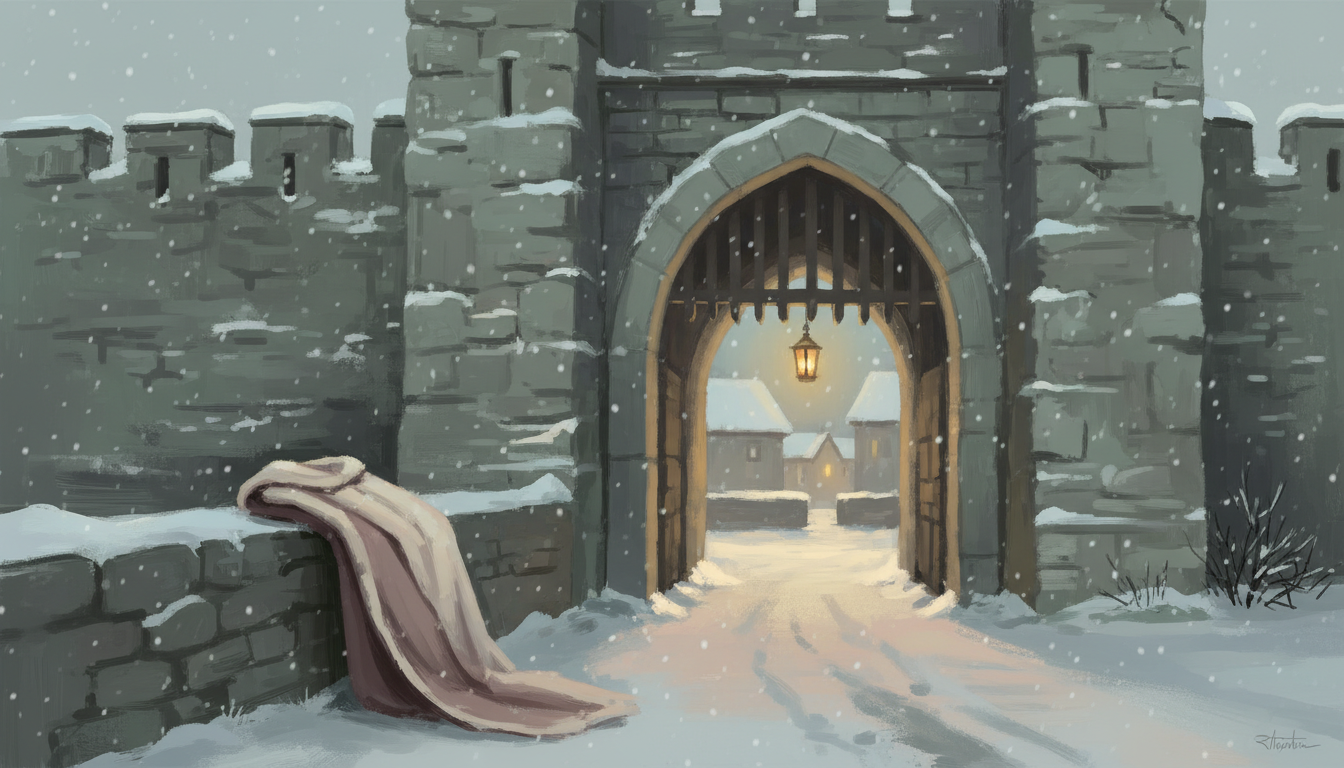
Then came a bitter winter day at the gate of the city of Amiens. A beggar sat there with almost nothing on, and people walked right past him. Martin had only his weapons and his warm military cloak, so he cut the cloak in two and wrapped half around the man. Some of the bystanders laughed. A soldier in a half-cloak looks a little silly.
That night, the story goes, Martin dreamed of Christ wearing the half-cloak. He was baptized at eighteen. Years later, he became Bishop of Tours, known for living simply.
How the fast began
About the year 480, Bishop Perpetuus of Tours set a fast three times a week, from Martin’s feast until Christmas. Gregory of Tours records this in his History of the Franks. That’s where the name St. Martin’s Lent comes from. In 581, the Council of Mâcon spread the practice through the Frankish churches.
It was practiced in medieval times to prepare for Christmas, and it came before the Advent we know now. The later details, like which days to fast and giving up meat, come from tradition and varied by place. I’m telling this as history, not as a rule you have to follow.
The fast today
Very few people keep it now. Some who do are members of the Confraternity of Penitents, a Franciscan group that lives by a rule of life from the time of St. Francis, who lived when this fast was still regularly kept. In their rule, the fast begins on November 12, the day after Martin’s feast, and runs until Christmas. They fast daily, except for illness or any other need. It sounds like Francis again: the sick and the weak are not left out.
What the fast is for
The penitents describe the fast as a way to prepare for Christmas. It reminds them that our lives must be centered on God, not on ourselves, and that self-denial is a prayer of the body to the Lord who came as an infant to teach and redeem us.
They also say something about Martin I had not thought of. His act of cutting the cloak in two was both penitential and loving. A penance only has worth if it is done in love. And as soldiers of Christ, our struggle is against evil, not against other people. Martin was a peacemaker, and so are we meant to be.
Receiving
Giving away half of what I have is scary. It means I have to let go and trust God.
Someone close to me gives quietly. I found out by accident, because someone thanked me for something I hadn’t done. He doesn’t know I know. I’m not going to tell him. It’s what Matthew 6:3 describes: do not let your left hand know what your right hand is doing. I feel I should give more.
I’ve often wanted to take in foster children, and tutoring comes naturally to me, because I want to see people succeed.
My mother used to tell us that when you don’t have much money, giving your time is giving a lot. We weren’t wealthy, but we still gave.
Martin only had a cloak, and he gave half of it. He wasn’t giving from a surplus. And that night, he received more than he gave.
A note on health
If you want to try this fast, talk to your doctor first, especially if you have a medical condition, are pregnant, or take medication. Fasting was never meant to harm anyone. Francis excused the sick and the weak, and the Church has always made room for them. There are other ways to fast too: giving up a habit, a screen, a purchase, or a grudge. Choose what fits your life.
What comes next
The Nativity Fast, the Eastern Church’s version, begins November 15. That’s the next post.
My mother taught me that giving is a profound act of charity.
References & Notes
Gregory of Tours, History of the Franks, Book 10, chapter 31 — Records that Bishop Perpetuus of Tours, who held the see around 480, decreed a fast three times a week from the feast of St. Martin until Christmas.
Council of Mâcon, 581 — Extended the practice of fasting from St. Martin’s feast to Christmas to other Frankish churches. Sources differ on the details of which days were fasted.
Franciscan Penance Library, “Fast of Saint Martin of Tours” (franciscanpenancelibrary.com) — The Confraternity of Penitents’ description of the fast: its purpose, the truths it recalls, and Martin’s act as both penitential and loving. Their rule has the fast begin the day after Martin’s feast and run until Christmas, with daily fasting except for infirmity or other need.
Madeline Pecora Nugent, CFP, “The Fast of Saint Martin: Preparation for Christmas” (Catholic365.com) — A modern account of the fast as practiced in medieval times, before the current Advent, and of who keeps it today.
Sulpicius Severus, Life of St. Martin — The earliest account of Martin, including the cloak at Amiens and the dream that followed.
Matthew 6:3 — “But when you give alms, do not let your left hand know what your right hand is doing.”
Sources give Martin’s birth as about 316 or about 336. The specific fasting days and the abstinence from meat are later tradition and varied from place to place. The personal reflections in the section titled “Receiving” are the author’s own.
Leave a Reply