


I expected a list. Rules, restrictions, a long set of things to give up. That’s not what I found.
I read the Rule St. Francis wrote for his friars in 1223. The part about fasting is short. All the friars are to fast from the feast of All Saints until Christmas. That’s it. No menu, no schedule of meals, no laundry list of things to complete. It wasn’t meant to be difficult.
What the Rule Says
The friars were bound to keep two fasts: Lent before Easter, and this one before Christmas. The rest of the year, they only had to fast on Fridays. There was a third, a forty-day fast starting at Epiphany. Francis said those who chose it would be blessed by the Lord, and those who didn’t weren’t required to. (In his earlier Rule of 1221 that one was required. By 1223 it was left to their own good will.) One was required, the other was a request. And anyone in manifest need was excused from the bodily fast. The Rule made room for the sick and the weak.
Notice what’s missing. The Rule says “fast” and leaves it there. In the West at that time, a fast generally meant one meal a day and no meat. Whether eggs and dairy were allowed depended on where you lived. That comes from the general practice of the era, not from Francis. His own words are plainer. The friars owned nothing, took no money, and lived on what people gave them. So they were told to eat whatever was set before them.
He also warns them, earlier in the same Rule, not to look down on people in fine clothes and rich food. Judge yourself, he says, not them. The fast was never a way to rank yourself above anyone.
The Dates
All Saints is November 1, a feast day, so the fast began the day after. From November 2 to Christmas is about 54 days. Nearly seven and a half weeks.
I don’t know why Francis chose All Saints. I haven’t found anything that says. I have my own thought. The saints went ahead of us, to the manger and beyond, and we are called to be saints too. Starting there feels like following them.
Francis and the Manger
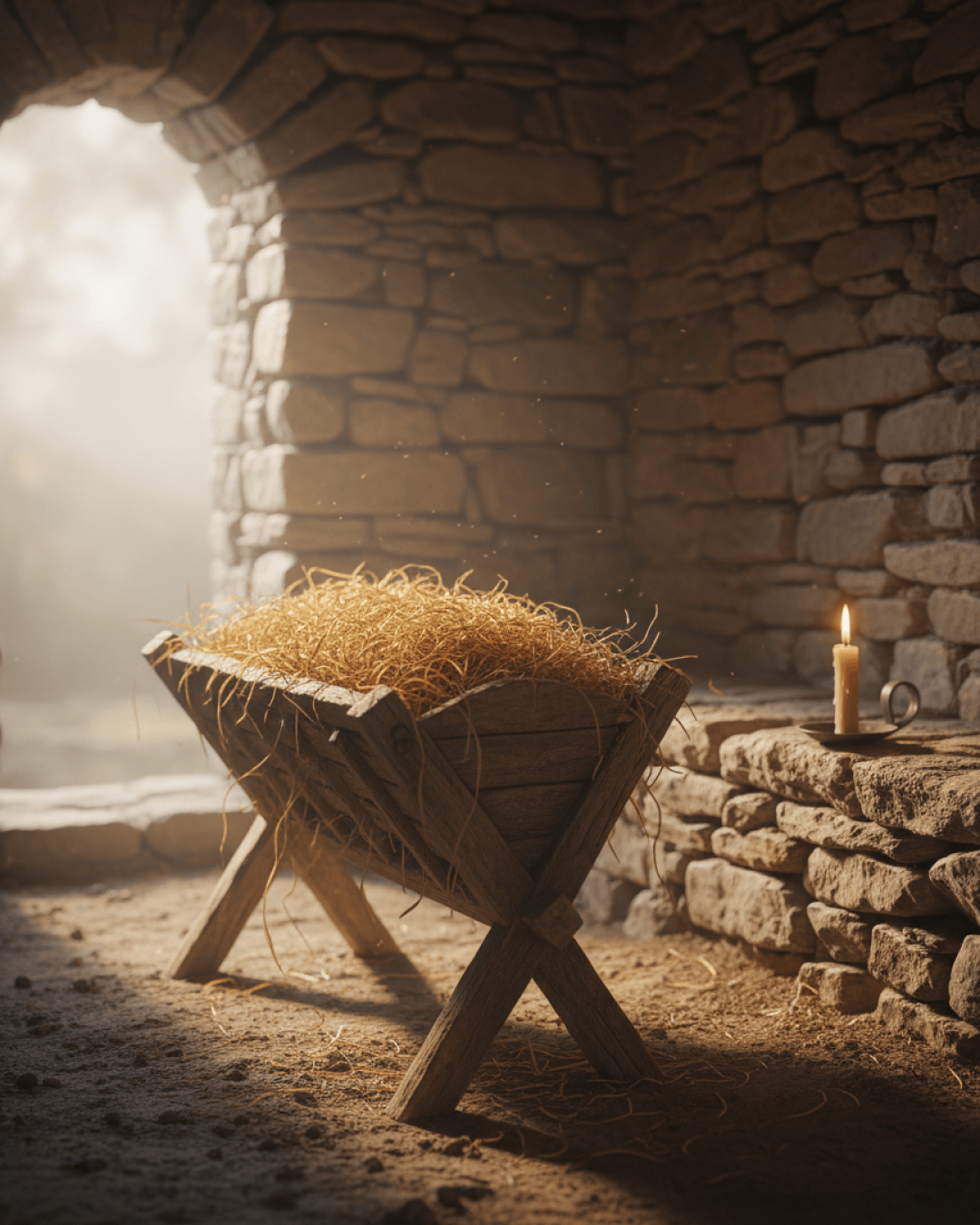
The early sources mention five “Lents” in the life of Francis. One was before Easter and one was before Christmas. It was at the end of that Christmas Lent, in 1223, that he set up the Nativity scene at Greccio. The same year as the Rule.
He wanted people to see how humble it was. A manger is a feeding trough. Bethlehem means “house of bread.” Christ, laid where the animals eat, would later call himself the bread of life. When you’ve been hungry for weeks, I think that is easier to see.
Why Fasting and Prayer
The Rule puts fasting in the same chapter as the Divine Office, the friars’ daily prayer. That makes sense to me. Fasting is hard, and once you’ve chosen it you need support. Prayer keeps you focused on why you’re doing it and carries you past the wanting.
Jesus said something about this in Matthew 6. Don’t put on a gloomy face so everyone notices. If you’re giving up coffee and you want to snap at people, take it to God instead of taking it out on them.
Not a Health Fast
This isn’t about how you look or what you gain from it. It’s not controlled by a goal. As I read it, it’s about God’s presence, and about learning that having less can mean having more. We tend to think we need everything. I think that’s what poverty taught Francis: a person with less often sees more clearly what God has given.
Taking Away, Bringing To
Fasting is the taking away. Christmas is the bringing to. There’s tension between the two, and I think it’s meant to be there. The walk makes the arrival fuller. You see the birth of Christ more clearly because of the road you took to get to it. Giving up and giving to belong together, and that’s why fasting and almsgiving so often travel together.
Fasting is not about what we give up, but about what we receive.
This is history. Francis asked this of his friars, and I’m telling you what I found. If you want to try any of these fasts, you can. Francis excused the sick and the weak, and I’d follow him there.
Next up is St. Martin’s Lent.
References & Notes
The Later Rule of 1223 (Regula bullata), chapter 3 — The friars are to fast from the feast of All Saints until Christmas. Those who voluntarily fast the forty days after Epiphany are blessed by the Lord, and those who do not wish to are not bound. The brothers are also to fast during Lent and on Fridays.
The Earlier Rule of 1221 (Regula non bullata), chapter 3 — Fasts from All Saints until the Nativity and from Epiphany until Easter. In the 1221 Rule the forty days from Epiphany were required; in 1223 they were left to the friars’ own good will.
Thomas of Celano, The Life of Saint Francis (First Life), chapter 30 — The account of Christmas at Greccio in December 1223, when Francis asked for a manger, hay, an ox and an ass so that people could see with their bodily eyes the humility of the birth at Bethlehem.
Matthew 6:16–18 — Jesus on fasting without a gloomy face.
The explanation of what a fast generally meant in the medieval West (one meal a day, no meat) comes from the general practice of the era, not from the Rule itself. The thoughts on All Saints, the manger, and what poverty taught Francis are the author’s own reflection, not a claim from the sources.

Leave a Reply