
The Scots and the Irish had a name for what happened to me. I didn’t know it then.
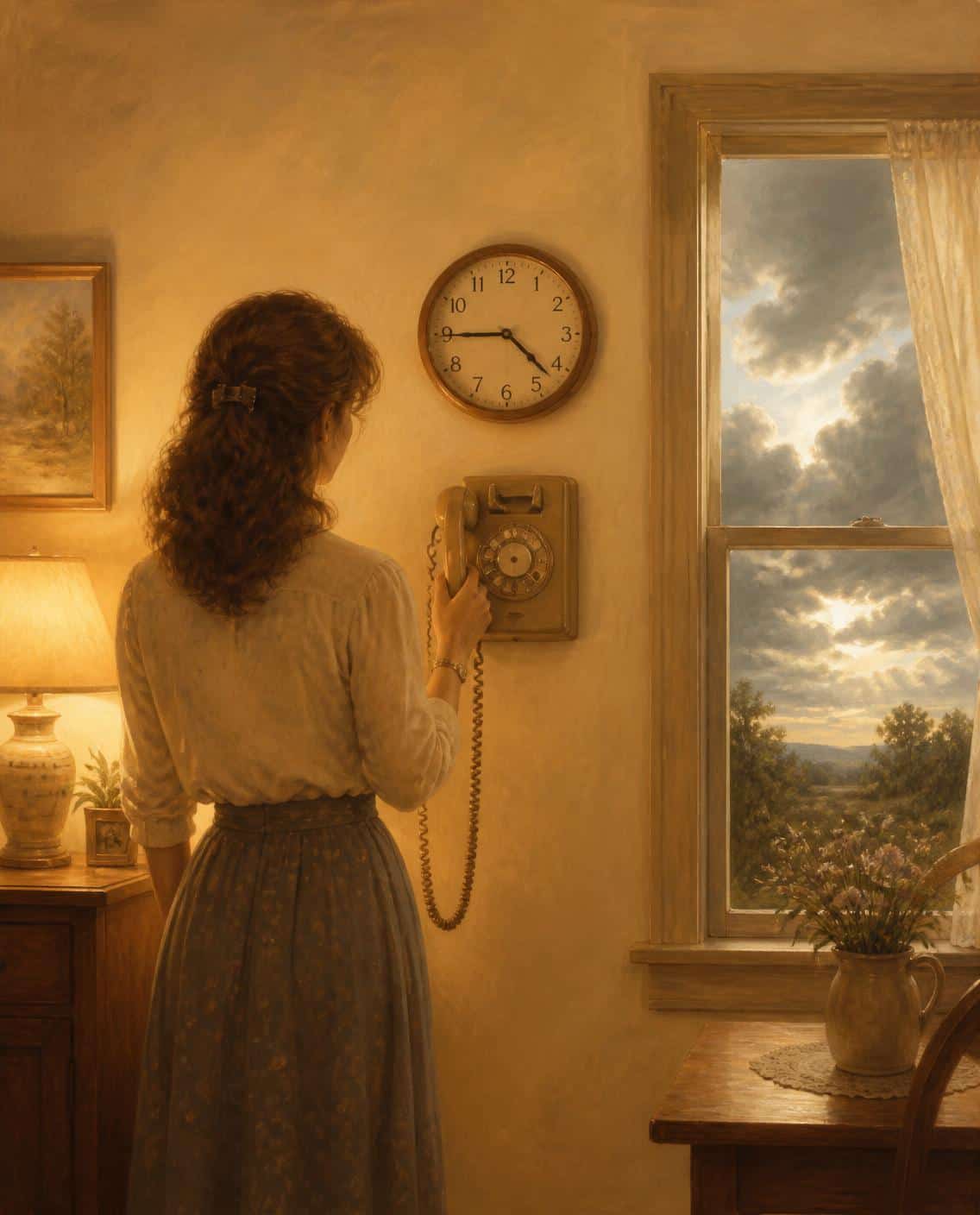
Venezuela doesn’t feel that far away now. It was then. Today nobody thinks twice about getting on a plane. For me it meant gathering the money, then organizing the flights, of which there were relatively few. The exchange rate from US dollars to bolivars didn’t play in the Venezuelans’ favor. That meant even calling the ones you love was difficult if they were stateside. For me, that was my whole family.
I felt uneasy, and I knew something was wrong. I didn’t know what. I just knew it, and it kept bothering me.
So I started asking right away. I begged my ex-husband’s family to let me call home, just to make sure everyone was okay. The answer was no. I always assumed it was the cost, but all I really know is that it was no.
I kept asking for a few days. Just a few. Then the feeling eased.
When I finally spoke to my mother a few weeks later, I asked her if everything was okay. She told me my grandfather had died. His birthday was close to mine.
It was the same day I felt that something was wrong. It matched by day and by hour.
I don’t believe it was him I felt. I think it was my mother’s pain, her heartache, reaching me across all those miles. I guess her anguish had subsided.
Scripture knows this bond. Isaiah asks whether a woman can forget the child she nursed, or have no compassion on the child of her womb. Compassion means to suffer with. I think that’s what reached me.
They called it second sight. In Scottish Gaelic it’s an dà shealladh, “the two sights”: seeing what’s in front of you, and sometimes what isn’t. In the old stories it was rarely a gift people wanted. It came unasked, and it often meant someone far away was in trouble.
The Irish also speak of thin places, where heaven and earth seem to sit close together. In County Cork, where my people come from, Gougane Barra is one. A small chapel sits on an island in the lake where St. Finbarr is said to have prayed. People still make the pilgrimage.
Venezuela was not a thin place. Nothing about where I stood made it so. The nearness wasn’t in the place. It was in the bond between my mother and me.
I can’t tell you what it was. A mind can pick up small cues, and it can fit a feeling to an event afterward. Maybe that’s all this was. But the day and the hour matched, and I had asked to call before anyone gave me a reason.
The Church is cautious about experiences like this, and I think that’s wise. It doesn’t ask us to decode them. It asks us to do what St. Paul says: “weep with those who weep” (Romans 12:15). So if the feeling comes, pray first. Then call.
References
- Scripture: Isaiah 49:15—the passage paraphrased in the reflection—and Romans 12:15. Ignatius Bible, Revised Standard Version, Second Catholic Edition (RSV-2CE).
- Second sight: “A Historical Review of Second Sight: The Collectors, their Accounts and Ideas,” Scottish Studies. Historical background on Scottish accounts of second sight and the Gaelic expression meaning “two sights.”
- Thin places: “Ireland’s Thin Places,” Irish American Mom. Background on the cultural and spiritual expression.
- Gougane Barra and St. Finbarr: Diocese of Cork and Ross — Gougane Barra. Information on its association with St. Finbarr and its continuing tradition of prayer and pilgrimage.
- Catholic context: Catechism of the Catholic Church, paragraphs 2115–2117. Teaching on trust in Providence and rejection of divination; these passages provide context rather than a Church determination about the personal experience described.

Leave a Reply