
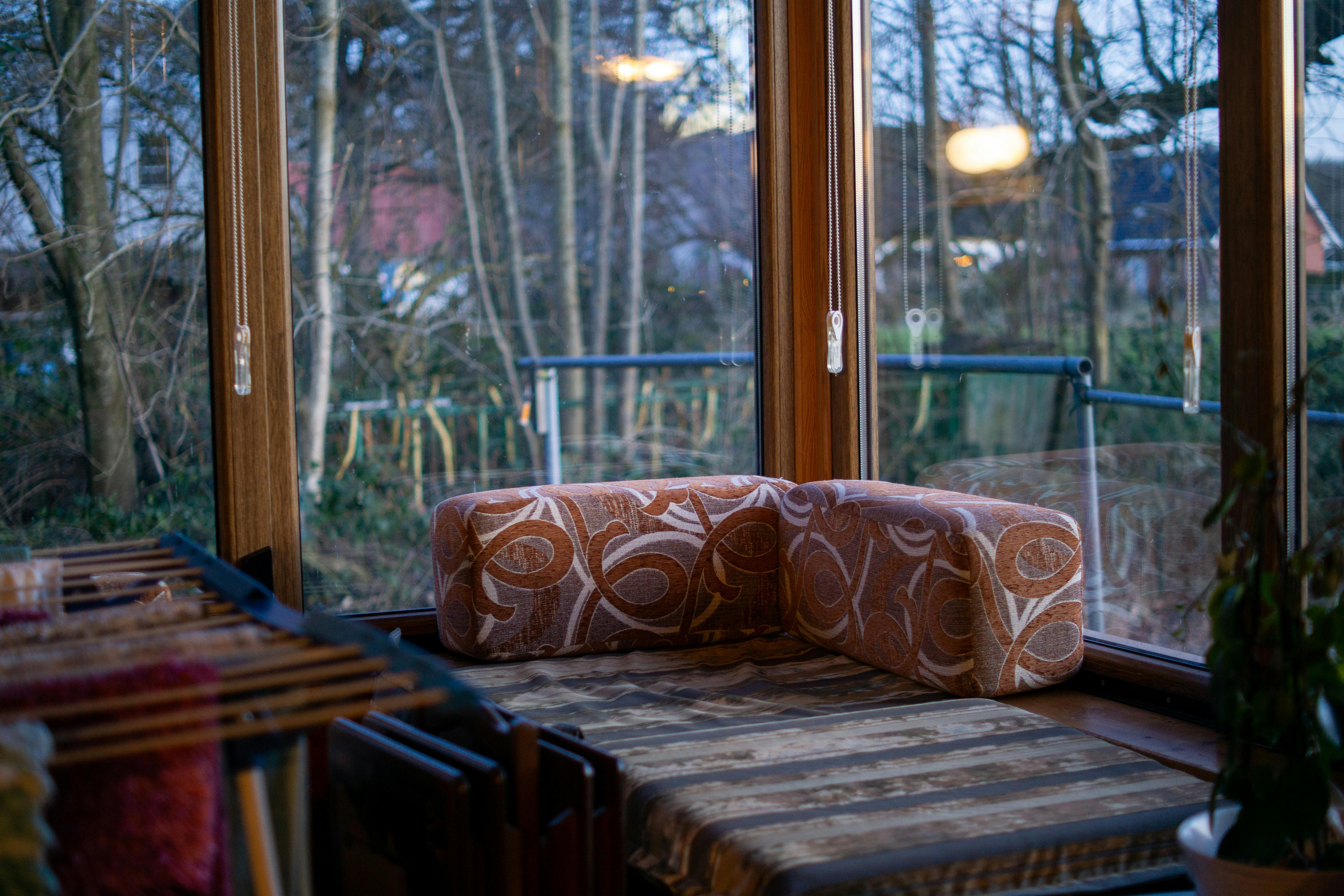
Japandi isn’t just a design trend—it’s a quiet philosophy. It blends the serene minimalism of Japanese interiors with the cozy functionality of Scandinavian living. The result is a space that feels like a deep breath: calm, intentional, and quietly beautiful.
This style begins with simplicity. Not the stark kind, but the kind that feels like a warm hug. Clean lines, open spaces, and natural materials create a sense of ease. Wood, linen, bamboo, and stone are chosen not just for their look, but for how they feel—soft, grounding, and real.
Color becomes a whisper in Japandi. Soft whites, warm greys, muted greens, and earthy browns form a palette that soothes the senses. These tones don’t compete for attention. They harmonize, creating a backdrop for peace and presence.
Japandi honors craftsmanship. A hand-thrown ceramic bowl, a low-profile oak bench, a woven rug—all speak of care and intention. Beauty is found in the imperfect, the handmade, the quietly enduring. This is the Japanese reverence for wabi-sabi, paired with the Scandinavian love of hygge.
Nature is a companion in Japandi spaces. A single branch in a vase, a bonsai tree by the window, a stone placed with care—these elements remind us that simplicity is sacred. They invite us to pause, to notice, to breathe.
Function is never forgotten. Japandi furniture is designed to be used, not just admired. It’s low, comfortable, and practical. Shelves are open and airy. Lighting is soft and warm. Everything serves a purpose, and that purpose is comfort.
Living Japandi means living with intention. It’s choosing fewer things, but better ones. It’s letting go of clutter—both physical and emotional. It’s creating a home that nurtures rather than overwhelms, that invites rather than impresses.
Visually, Japandi flows like water. Japanese design brings structure and serenity; Scandinavian design adds warmth and welcome. Together, they create a rhythm that feels both refined and reachable. It’s a style that doesn’t just look good—it feels good.
This way of living can gently transform your days. It encourages slower mornings, softer evenings, and a deeper connection to your surroundings. It’s not about perfection—it’s about presence. About creating a space that reflects your values, your rhythms, your quiet joys.
Japandi’s roots stretch back to the 19th century, when Scandinavian designers first encountered Japanese interiors and found a shared reverence for simplicity and nature. Though their expressions differ—one sleek and spiritual, the other rustic and cozy—their union creates a design language that feels timeless and tender.
The appeal of Japandi lies not just in its aesthetics, but in its emotional resonance. It’s a style that invites mindfulness, encourages sustainability, and celebrates the quiet beauty of everyday life. It’s about making space for what matters, and letting go of what doesn’t.
Texture plays a gentle role in Japandi’s story. Bouclé fabrics, ceramic accents, and soft textiles add warmth without overwhelming. These tactile elements offer comfort and depth, reminding us that even minimalism can feel rich and layered.
Storage in Japandi homes is thoughtful and discreet. Clutter is cleared not to impress, but to create peace. Open shelving, hidden compartments, and intentional placement help maintain a sense of spaciousness and flow.
Lighting is soft and layered, casting a warm glow that invites rest. Whether through paper lanterns, natural daylight, or dimmable fixtures, Japandi lighting is never harsh—it’s a quiet companion to the rhythm of the day.
So, is Japandi right for you? If you’re longing for peace, clarity, and a home that feels like a gentle exhale, this style might be your next step. It doesn’t ask for much—just a willingness to begin with one corner, one vase, one breath. Let it guide you toward a life that feels as beautiful as it looks.


Leave a Reply