


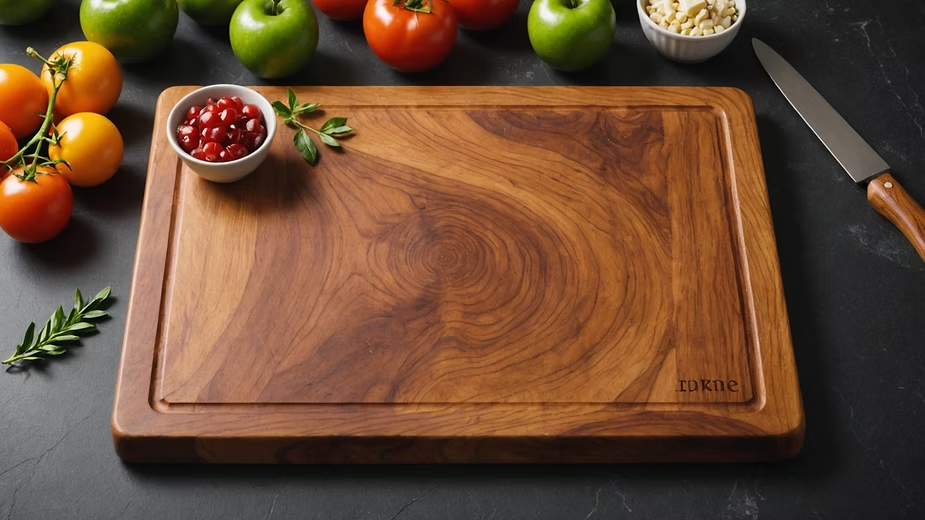
Cutting boards might appear to be merely basic kitchen tools, but when crafted from the right woods with exceptional artistry, they elevate kitchen duties into a delightful experience. This exploration into the realm of cutting boards will delve deeper into the types of woods available, the factors that contribute to higher price points, the variety of shapes and sizes, and how to identify genuine craftsmanship that signifies luxury.
Types of Woods Used in Cutting Boards
The wood type significantly influences a cutting board’s performance, longevity, and visual appeal. Let’s explore some popular choices.
Acacia
Acacia wood is celebrated for its warm tones and intricate grain patterns. It naturally resists water, making it an outstanding choice for kitchens. Acacia is also a sustainable option since it grows quickly and is widely available. Studies show that boards made from acacia can withstand moisture levels of up to 30% better than other woods, helping them maintain their integrity longer.
Zebrawood
Zebrawood is known for its striking, striped patterns that bring a bold design to any kitchen. This exotic wood is hard, making it extremely durable for cutting tasks. However, it requires extra care to keep its appearance intact. For example, using a bamboo cutting board can prevent wear and tear on your knives and can extend the lifespan of your zebrawood board.
Maple
A time-honored choice, maple is known for its fine grain and pale hue. Its resistance to scratches helps maintain a sanitary surface, making it less likely to harbor bacteria. Maple boards can last for decades with proper care, demonstrating a lifespan increase of about 50% compared to lower-quality options.
Walnut
Walnut boards are highly sought after for their deep, rich color and striking grain. They offer a robust surface for cutting, reducing the risk of dulling knives. The luxurious look of walnut, combined with its durability, makes it a top pick among chefs. Approximately 70% of culinary professionals opt for walnut boards due to their reliability and aesthetic appeal.
Cherry
Cherry wood is known for deepening in color over time, developing a beautiful patina. This wood has a fine grain and is gentle on knives, making it perfect for both food prep and presentation. Research shows that cherry cutting boards remain stain-resistant about 40% longer than other woods without treatment.
Bamboo
Though technically a grass, bamboo has gained popularity for its eco-friendliness and resilience. Its lightweight nature makes it easy to handle, but it can crack if not treated with care. Bamboo cutting boards can be up to 30% lighter than traditional wood boards, making them great for everyday use.
Teak
Teak is regarded as one of the best woods for kitchen equipment due to its natural oils, which resist moisture and bacteria. Teak’s durability means that it can last over 20 years with proper maintenance, making it a worthwhile investment for avid cooks.

These materials contribute not only to functionality but also to the overall cost and aesthetic of the cutting board.
What Makes Cutting Boards More Expensive?
Several elements influence the price of cutting boards, primarily focusing on material quality, craftsmanship, and design.
- Material Quality: Higher-end boards are often made from premium woods like walnut or teak, which offer better durability and fewer warping issues. For instance, exotic woods, while stunning, can be 50% more expensive than common ones due to their limited availability.
- Craftsmanship: The skill involved plays a crucial role in the price. Handcrafted boards might take several hours to create, ensuring intricate designs and superior finishes that machine-made ones cannot match.
- Design Elements: Unique designs, like end grain construction, typically add to the cost. End grain boards protect knives better and are easier on the blades, making them more desirable among serious chefs.
- Size and Shape: Larger boards or those with distinctive shapes require more materials and effort to produce, adding to the retail price. For example, a large end grain board can cost up to 100% more than a standard rectangular board.
Different Sizes and Shapes of Cutting Boards
Cutting boards come in a variety of shapes and sizes, allowing users to select the perfect fit for their kitchen needs.
Sizes
- Small: Boards typically around 8×10 inches are perfect for quick tasks like slicing herbs or small fruits.
- Medium: About 12×18 inches, these provide enough space for regular chopping and meal prep tasks.
- Large: Starting from 18×24 inches, large boards are excellent for preparing multiple ingredients, ideal for gatherings or meal prep.
Shapes
- Rectangular: The most common shape, offering consistent surface area for all cutting tasks.
- Round: Perfect for serving or presenting food, round boards can double as stylish serving platters for charcuterie.

The dimensions and design of a cutting board should reflect its purpose and the user’s personal style for optimal functionality and visual impact.
What to Look for in Luxury Craftsmanship
When investing in a luxury cutting board, consider the following aspects of craftsmanship:
Attention to Detail
True luxury cutting boards feature impeccable craftsmanship. Look for tight joints, smooth edges, and a flawless finish. A premium board will have undergone multiple sanding processes to ensure a silky surface.
Quality of Wood
High-end cutting boards are typically made from solid, high-tier woods that show no signs of fillers or soft spots. A hefty, solid feel is a good indicator of quality.
Special Treatments
Luxury boards often undergo treatments like oiling to boost durability. These additional processes can enhance the wood’s resistance to moisture and damage, making your investment last even longer.
Aesthetic Beauty
A quality cutting board should not only function well but also serve as an attractive feature in your kitchen. The natural grain, color variations, and design elements contribute significantly to its charm.
In summary, choosing high-quality cutting boards allows you to benefit from superior performance, stunning aesthetics, and unmatched functionality.
Elevate Your Kitchen Experience
Exquisite cutting boards embody a blend of artistry, function, and top-quality materials. By understanding wood characteristics, pricing factors, available shapes and sizes, and traits of craftsmanship, you can make informed purchases that enhance both your cooking experience and your kitchen’s visual appeal. Introducing one of these luxurious boards into your culinary routine can transform your workspace and: inspire your cooking creativity.
Discover the artistry behind cutting boards, where every slice reveals the hidden mastery of wood selection and craftsmanship.

Leave a Reply