


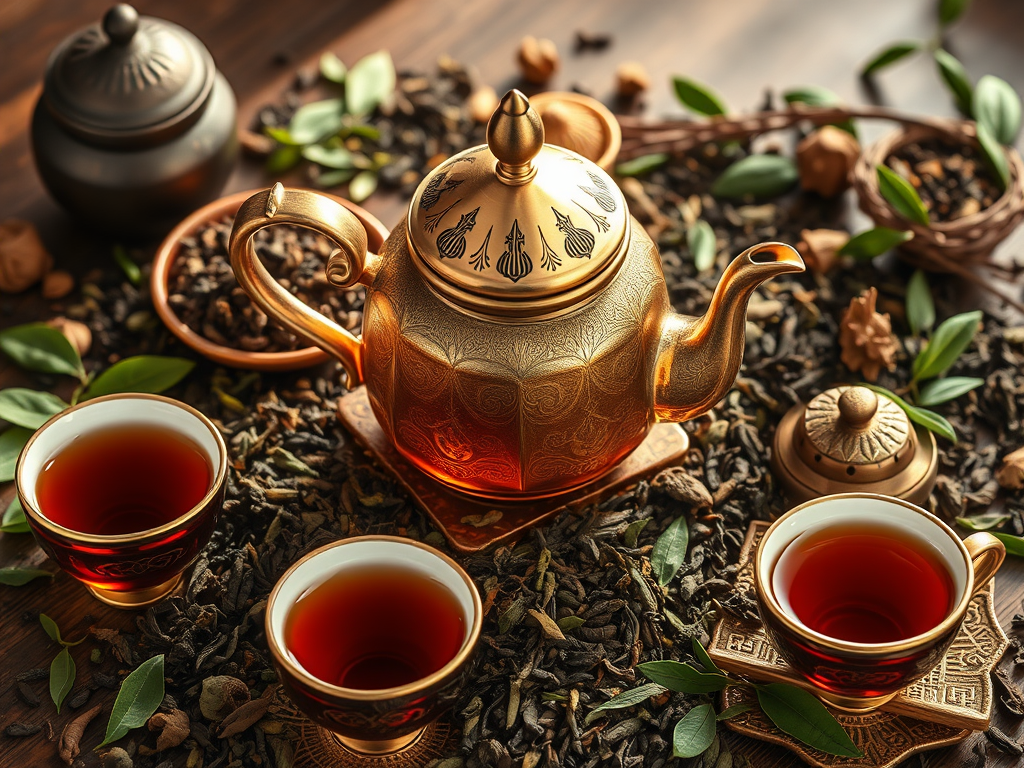
I wanted to share something special with you today—a journey through the world of tea. Tea is more than just a beverage; it’s an experience that transcends cultures and centuries. From its ancient origins to its modern-day popularity, tea has a fascinating history and a variety of types that cater to every taste.
A Journey Through History
So, let’s start at the beginning. Tea’s story kicks off in ancient China, where legend has it that Emperor Shen Nong discovered tea around 2737 BCE when leaves from a wild tea tree blew into his pot of boiling water. Can you imagine that moment? He was so impressed by its refreshing taste and medicinal properties that tea became a staple in Chinese culture.
But the story doesn’t end there! Over the centuries, tea spread to other regions:
- India: India has its own rich history with tea. The discovery of the Camellia sinensis plant in the Assam region played a huge role in the development of the Indian tea industry in the 19th century, largely driven by British demand for tea.
- Japan: Tea made its way to Japan thanks to Buddhist monks who brought tea seeds and plants from China around the 9th century. The Japanese tea ceremony, chanoyu, developed as a unique cultural practice emphasizing mindfulness and simplicity.
- Other Regions: Tea drinking spread to other parts of Asia, including Korea, Vietnam, and Thailand, where it has been embraced in various forms and traditions.
Tea eventually made its way to Europe in the 16th century, thanks to Portuguese and Dutch traders. It quickly gained popularity, especially in Britain, where afternoon tea became a cherished tradition. The British love affair with tea also led to the establishment of tea plantations in India and Sri Lanka.
Types of Tea
Tea comes in many varieties, each with its own unique flavor profile and processing method. Let’s take a closer look at some of the most popular types:
| Type of Tea | Origin | Processing | Flavor | Benefits |
|---|---|---|---|---|
| Green Tea | China and Japan | Leaves are quickly steamed or pan-fired to prevent oxidation | Fresh, grassy, and slightly astringent | Rich in antioxidants, known for its potential health benefits |
| Black Tea | China, India, and Sri Lanka | Leaves are fully oxidized, giving them a dark color | Robust, malty, with hints of fruit or spice | Contains higher caffeine content, can boost energy |
| Oolong Tea | China and Taiwan | Leaves are partially oxidized, creating a balance between green and black tea | Floral, fruity, and sometimes creamy | Supports digestion and weight management |
| White Tea | China | Leaves are minimally processed and dried | Delicate, sweet, and subtle | High in antioxidants, known for its anti-aging properties |
| Herbal Tea (Tisane) | Various | Made from herbs, flowers, and fruits, not true tea leaves | Wide range, depending on ingredients | Caffeine-free, often used for medicinal purposes |
| Pu-erh Tea | Yunnan Province, China | Fermented and aged, sometimes for many years | Earthy, rich, and complex | Supports digestion, can have probiotic properties |
| Matcha | Japan | Shade-grown tea leaves are ground into a fine powder | Umami-rich, slightly bitter, and creamy | High in antioxidants, provides a calm, focused energy |
| Chai Tea | India | Black tea with a blend of spices, milk, and sweetener | Rich, aromatic, and spicy | Warming and comforting, aids digestion, boosts immunity |
| Yellow Tea | China | Similar to green tea but with an additional slow drying phase | Mellow and slightly sweet with a smooth finish | High in antioxidants, known for its digestive benefits |
| Rooibos Tea | South Africa | Made from the leaves of the Aspalathus linearis plant, fermented and dried | Naturally sweet, nutty, and earthy | Caffeine-free, rich in antioxidants, anti-inflammatory properties |
| Yerba Mate | South America (Argentina, Brazil, Paraguay) | Leaves and stems of the Ilex paraguariensis plant are dried and often smoked | Bold, grassy, and slightly bitter | Contains caffeine, boosts energy, and mental clarity |
| Chrysanthemum Tea | China | Made from dried chrysanthemum flowers steeped in hot water | Floral, sweet, and slightly herbal | Caffeine-free, calming, and cooling properties |
| Hibiscus Tea | Various tropical and subtropical regions | Made from the dried petals of the Hibiscus sabdariffa plant | Tart, fruity, and refreshing | Caffeine-free, high in vitamin C, supports heart health, lowers blood pressure |
| Genmaicha | Japan | A blend of green tea and roasted brown rice | Nutty, toasty, and slightly sweet | Benefits of green tea with added fiber from the rice |
| Lavender Tea | Various regions, primarily Mediterranean | Made from dried lavender flowers steeped in hot water | Floral, calming, and slightly sweet | Caffeine-free, calming, and stress-relieving properties |
| Lapsang Souchong | China | Black tea leaves are smoked over pine wood fires | Smoky, robust, and bold | Contains caffeine, known for its unique and strong flavor |
Chai Tea Details
Let’s not forget about Chai Tea! Originating from India, chai tea, also known as Masala Chai, is a fragrant and flavorful blend of black tea, spices, milk, and sweetener. The word “chai” actually means “tea” in Hindi, so “chai tea” translates to “tea tea.” The traditional Masala Chai has been a beloved beverage in India for centuries, and it has gained popularity around the world for its warming and comforting qualities.
Key Ingredients:
- Black Tea: Assam black tea is commonly used, providing a strong and robust base.
- Spices: A blend of spices called “masala” typically includes cardamom, cinnamon, ginger, cloves, and black pepper. Each spice adds its unique flavor and health benefits.
- Milk: Whole milk or a milk alternative is used to create a creamy and smooth texture.
- Sweetener: Sugar, honey, or another sweetener is added to taste.
Flavor Profile:
Chai tea is known for its rich, aromatic, and spicy flavor. The combination of bold black tea with warm spices creates a delightful and invigorating drink. The addition of milk and sweetener balances the spiciness and makes it a comforting treat.
History and Cultural Significance:
Chai tea has a long and storied history in India. It was originally consumed for its medicinal properties, as the spices used in chai are known for their health benefits, such as aiding digestion and boosting immunity. Over time, chai became an integral part of Indian culture, enjoyed by people from all walks of life.
In Indian households and street stalls, chai is often prepared by boiling the tea, spices, milk, and sweetener together to extract the full flavors. This method creates a rich and flavorful brew that is enjoyed throughout the day.
Modern Variations:
Chai tea has inspired many variations and adaptations around the world. Some popular modern takes on chai include:
- Chai Latte: A popular café beverage made with steamed milk and a shot of chai concentrate, often topped with foam or whipped cream.
- Iced Chai: A refreshing version of chai tea served cold over ice, perfect for hot weather.
- Chai-Spiced Baked Goods: Incorporating chai spices into cookies, cakes, and other baked goods for a deliciously spiced treat.
Conclusion
The world of tea is incredibly diverse, offering a wide range of flavors, aromas, and health benefits. Whether you’re drawn to the traditional tastes of green and black tea or the unique profiles of herbal and flavored teas, there’s always something new to explore and enjoy.
So, why not embark on a tea-tasting adventure and discover your new favorite brew?
Leave a Reply