


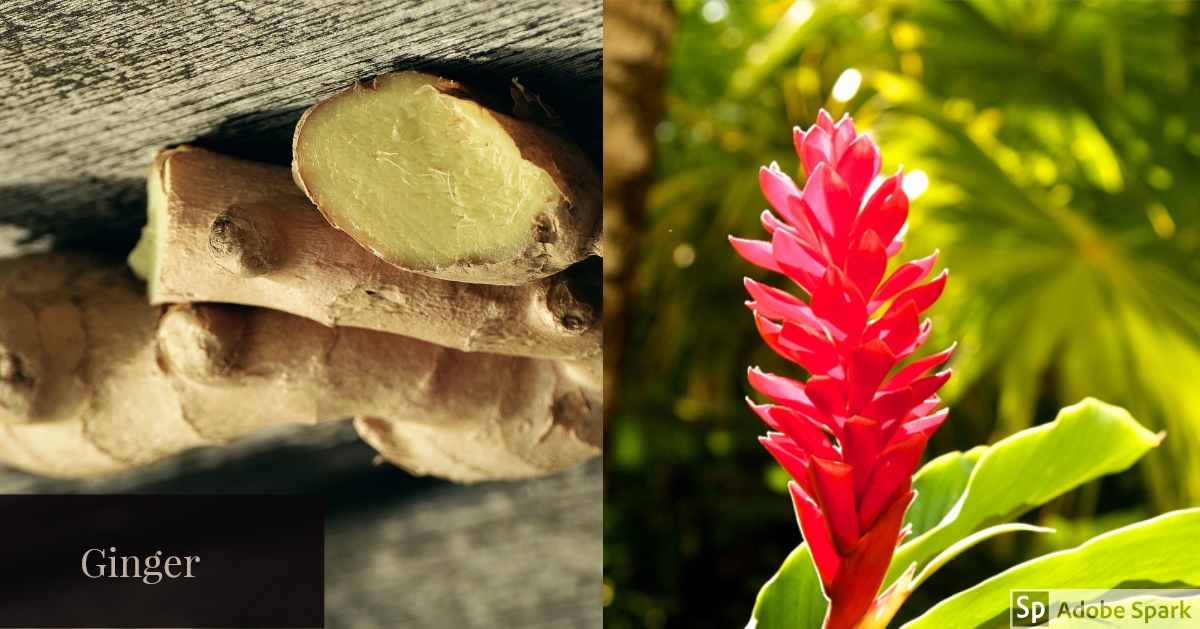
Kiss Your Ginger Day is January 12th! That could be any ginger, but for me, it is ginger – the plant, which has a rich history and a myriad of uses. This versatile plant not only boasts an array of health benefits, like aiding digestion, reducing inflammation, and boosting the immune system, but it’s also incredibly tasty, adding a delightful zing to various dishes and beverages. Over the years, I have learned a lot about health, experimenting with different ways to incorporate ginger into my diet, whether it be through soothing ginger teas or spicy stir-fries. I am by no means an authority, not even on ginger, but my curiosity has led me to explore its properties and potential, making me appreciate not only its flavor but also its cultural significance and historical uses in traditional medicine around the world.
Ginger has a lot of medicinal properties, some of which have scientific evidence supporting them, while others are based on word of mouth. Known for its distinctive flavor and aroma, ginger is not only celebrated in culinary traditions around the world but has also gained recognition in the realm of natural medicine. According to Back to Eden, which was originally published in 1939, Jethro Kloss highlights ginger’s many medicinal properties, noting it as a stimulant that boosts circulation and energy levels. Furthermore, he describes it as pungent and carminative, offering relief from digestive issues by helping to alleviate gas and bloating. Its aromatic qualities enhance mood and give comfort, while the term sialagogue refers to its ability to stimulate saliva production, aiding in digestion. As a condiment, ginger not only enhances the flavor of various dishes but also serves as an effective remedy, and its diaphoretic properties encourage sweating, which can be beneficial for detoxification and reducing fevers. Overall, ginger’s wide array of medicinal benefits makes it a valuable addition to any natural health regimen.
According to Healthline, there are eleven proven benefits of ginger some of which are:
- Helps to reduce stomach issues like nausea and indigestion
- Anti-inflammatory. So, reducing pain and soreness of muscles and joints
- Lowers blood sugar
- Improves heart health
- Helps to lower bad cholesterol
- May help to prevent cancer
- May improve brain capacity
If any of the health benefits interest you, please check out the Healthline article in the hyperlink above as well as many sources found on the web or in books. Often, upon reviewing these benefits, there is an interest in growing ginger. Your local agricultural service can supply you with a lot of information about your zone. Also, checking out nurseries and written information can help your understanding.
According to Rodale’s Successful Gardening Herbs, the best climate for ginger is zones 9 – 10 and in partial shade, which provides the ideal conditions for this tropical plant to thrive. It prefers to be rooted in fertile, moist, well-drained soil, which is crucial for preventing rot and ensuring robust growth. Given its tropical origins, ginger flourishes where temperatures are warm, typically thriving in environments that consistently exceed 70 degrees Fahrenheit. I have seen people trying to grow it indoors, but I can’t vouch for their success, as the lack of natural sunlight and the need for proper humidity often lead to unsatisfactory results for aspiring indoor gardeners. Those considering cultivating ginger should be mindful of these environmental factors, as they play a significant role in the health and flavor of the rhizome.
Over the last year, I have been trying to grow ginger and turmeric. So far I haven’t succeeded in a full grown plant. Although I have seen shoots come off the original root. This year we will see if they come up again. Wish me luck. And I hope you will include this wonderful plant in your garden as well.
Leave a Reply