


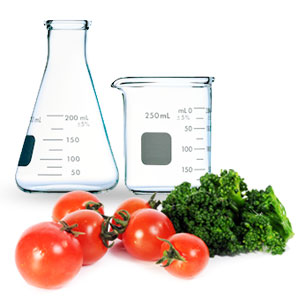
While studying nursing, I begin to see food in a different way. It is no longer simply something we eat because we are hungry or because it tastes good. Food becomes something much more important. It becomes chemistry working within the body.
Every lesson in chemistry and nutrition reveals the same idea: the human body performs thousands of chemical reactions every moment. These reactions allow us to think, move, heal, and grow. The food we eat provides the materials that make these reactions possible.
Proteins help build and repair tissues. Carbohydrates provide energy that fuels the body’s daily work. Fats store energy and support important biological functions. Vitamins and minerals regulate many of the processes that keep the body functioning properly.
When we eat, we are not simply filling our stomachs. We are supplying the body with the components it needs to maintain balance. The digestive system breaks food down into smaller molecules that can be absorbed and used by cells. These molecules then participate in chemical pathways that support everything from muscle movement to brain activity.
This is why nutrition matters so much in health care. What a person eats influences healing, energy levels, and overall well-being. Poor nutrition slows recovery and contributes to disease, while balanced nutrition supports the body’s natural ability to repair itself.
Studying chemistry and nutrition brings a new appreciation for the connection between science and everyday life. Something as simple as a meal becomes part of a complex system that allows the body to function.
Food is more than taste or habit. It is part of the science that keeps the human body alive and working.
Leave a Reply